


Biffins
In the Starting Line-Up
- Joined
- Dec 4, 2010
- Messages
- 3,651
- Reaction score
- 5,121
How Tom Brady has been rejuvenated
First, the offense, where of course the biggest change has been bringing in Brady to play quarterback. Brady has been much better than Winston, and much better than he was in New England a year ago. Last year, Brady finished 17th out of 34 qualified quarterbacks in passing DVOA. Winston was down at 24th. This year, Brady is fifth out of 32 qualified quarterbacks.
Obviously, the biggest difference here is in interceptions. Winston had 30 of them last year, the most of any quarterback since 1988. Brady has received some attention for two pick-sixes this year, but he has only four interceptions total, putting him on pace for just nine. Not handing the ball to the other team in good field position means that Tampa’s defense starts its average drive on their opponents’ 28-yard-line this year, a big difference from last year when Tampa’s defense started its average drive on the 32.
Interceptions aren’t the only negative plays Brady avoids. He also takes a lot fewer sacks than Winston did. There’s some improvement along the offensive line, which has gone from 17th to ninth in pass block win rate, but much of this year’s improvement is related to Brady’s ability to get rid of the ball before the pass rush takes him down. Last year, the Buccaneers were 22nd in adjusted sack rate, which measures sacks (and intentional groundings) per pass play adjusted for situation and opponent. This year, the Bucs rank No. 1, narrowly ahead of the Rams and Titans.
There was a lot of curiosity this past offseason about how Brady would fit himself into the Bruce Arians offense, which featured a lot more passing downfield than recent Patriots’ offenses. So far, Brady has fit in just fine, throwing deep more often than he did a year ago, but not as often as Winston did. Brady’s average depth of target has gone from 7.8 yards to 9.1 yards. Winston was at 10.7 last year, and the NFL average this year is 8.2.
One way in which Brady has imposed his style onto the Arians offense is by bringing his favorite tight end to Tampa Bay with him. Arians historically has never used tight ends very much, but Rob Gronkowski is changing that. This year, 27% of Tampa Bay passes have been thrown to a tight end. That number was 19% last year, and just 14% and 17% in Arians’ final two years in Arizona.
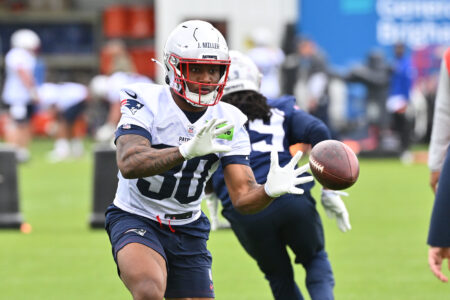
However, while Gronk is coming off two big games, he has been only average for the whole year by DVOA. The real strength of this passing game is the wide receivers. Three Tampa Bay receivers rank in the top five for wide receiver DVOA: Chris Godwin is second, Scotty Miller fourth, and Mike Evans fifth. It’s hard to tell how Antonio Brown could even be better than what the Tampa Bay receivers have given the team so far, although he’ll help them deal with the nagging injuries that Godwin and Evans have dealt with all season.
The Tampa Bay running game has also made a big improvement from a year ago, going from 25th to 12th in DVOA. The numbers tell a mixed story about where the improvement is most evident. The Bucs’ offensive line has actually declined in ESPN’s run block win rate, from seventh a year ago to 16th so far this season. But in Football Outsiders’ adjusted line yards metric, the Bucs are better this year, going from 23rd to 12th.
Whether the run blocking is better or worse this year, the running is better in part because the Bucs aren’t depending on Peyton Barber any longer. Last year, Barber averaged just 3.1 yards per carry, including 1.45 yards after first contact. Compare that to Ronald Jones, who averaged 4.2 yards per carry and 1.86 yards after first contact in 2019. This year, Jones is up to 4.6 yards per carry and 2.05 yards after first contact; the latter stat ranks him sixth in the league. Leonard Fournette is averaging 4.9 yards per carry and 2.34 yards after first contract, although that’s on only 35 carries.
First, the offense, where of course the biggest change has been bringing in Brady to play quarterback. Brady has been much better than Winston, and much better than he was in New England a year ago. Last year, Brady finished 17th out of 34 qualified quarterbacks in passing DVOA. Winston was down at 24th. This year, Brady is fifth out of 32 qualified quarterbacks.
Obviously, the biggest difference here is in interceptions. Winston had 30 of them last year, the most of any quarterback since 1988. Brady has received some attention for two pick-sixes this year, but he has only four interceptions total, putting him on pace for just nine. Not handing the ball to the other team in good field position means that Tampa’s defense starts its average drive on their opponents’ 28-yard-line this year, a big difference from last year when Tampa’s defense started its average drive on the 32.
Interceptions aren’t the only negative plays Brady avoids. He also takes a lot fewer sacks than Winston did. There’s some improvement along the offensive line, which has gone from 17th to ninth in pass block win rate, but much of this year’s improvement is related to Brady’s ability to get rid of the ball before the pass rush takes him down. Last year, the Buccaneers were 22nd in adjusted sack rate, which measures sacks (and intentional groundings) per pass play adjusted for situation and opponent. This year, the Bucs rank No. 1, narrowly ahead of the Rams and Titans.
There was a lot of curiosity this past offseason about how Brady would fit himself into the Bruce Arians offense, which featured a lot more passing downfield than recent Patriots’ offenses. So far, Brady has fit in just fine, throwing deep more often than he did a year ago, but not as often as Winston did. Brady’s average depth of target has gone from 7.8 yards to 9.1 yards. Winston was at 10.7 last year, and the NFL average this year is 8.2.
One way in which Brady has imposed his style onto the Arians offense is by bringing his favorite tight end to Tampa Bay with him. Arians historically has never used tight ends very much, but Rob Gronkowski is changing that. This year, 27% of Tampa Bay passes have been thrown to a tight end. That number was 19% last year, and just 14% and 17% in Arians’ final two years in Arizona.
However, while Gronk is coming off two big games, he has been only average for the whole year by DVOA. The real strength of this passing game is the wide receivers. Three Tampa Bay receivers rank in the top five for wide receiver DVOA: Chris Godwin is second, Scotty Miller fourth, and Mike Evans fifth. It’s hard to tell how Antonio Brown could even be better than what the Tampa Bay receivers have given the team so far, although he’ll help them deal with the nagging injuries that Godwin and Evans have dealt with all season.
The Tampa Bay running game has also made a big improvement from a year ago, going from 25th to 12th in DVOA. The numbers tell a mixed story about where the improvement is most evident. The Bucs’ offensive line has actually declined in ESPN’s run block win rate, from seventh a year ago to 16th so far this season. But in Football Outsiders’ adjusted line yards metric, the Bucs are better this year, going from 23rd to 12th.
Whether the run blocking is better or worse this year, the running is better in part because the Bucs aren’t depending on Peyton Barber any longer. Last year, Barber averaged just 3.1 yards per carry, including 1.45 yards after first contact. Compare that to Ronald Jones, who averaged 4.2 yards per carry and 1.86 yards after first contact in 2019. This year, Jones is up to 4.6 yards per carry and 2.05 yards after first contact; the latter stat ranks him sixth in the league. Leonard Fournette is averaging 4.9 yards per carry and 2.34 yards after first contract, although that’s on only 35 carries.