Certainly codeine isn't on the level of heroin or oxy or even vicodin (I've been prescribed codeine and vicodin, know firsthand that the former is nowhere near the latter's level). But codeine it is by definition an opioid that works in the same basic way (if not degree) that others do, and like any other opioid there's a clear progression to harder stuff that comes from building up a tolerance and chasing the same or better high elsewhere. Most of this forum lives in the northeast, and I'm from rural Maine, which has been hit especially hard by the epidemic. I'm sure I'm not the only one here who's watched a lot of people go down this exact path, from 'light' opioids to harder drugs to full-blown addiction and in a lot of cases death.
Combine that with some context clues--he's in a profession where prescription painkillers are readily available and their use is encouraged, plus he spent 3 months in a rehab facility which isn't something you do to kick weed--and I think the evidence points pretty clearly to the likelihood that he became addicted to harder stuff at some point. You show me a guy who started routinely using a 'light' opioid in high school, has had easy access to prescription painkillers for his whole adult life, and spent 3 months in rehab over the last year, and I'll show you a guy with an opiate addiction.
All excellent points. I’m just not ready to throw him in the “addicted to opiate” category just because he’s admitted to mixing codeine cough syrup in his soda back in high school, that’s all. There are areas like his hometown of Houston where this is totally normal behavior. I’ve seen some documentaries where drinking lean/sizzurp is basically our equivalent of drinking beer under the bleachers in high school. It sounds absurd, I know, but its popularity down there is absolutely through the roof.
If he is/was addicted to opiates, here’s hoping that the light of recovery guides his way and that the NFL’s substance abuse system is helping to get him the right kind of counseling, testing, and deterrence factors that he needs to get past it. In the meantime, I wish him the best. And I certainly know all about the epidemic. The western PA/WV area has been dealing with this kind of emergency level for a long time. Those two states were in the mix for the highest mortality rates in the country for awhile. I know that a couple of the New England states were right up there, too, although I think they were a couple/few years behind. I lost my only brother to a heroin overdose back in 2012 at the age of 31. He had been clean for several months and was doing well, but the dealers had inundated the local NA/AA meetings so heavily that they were targeting those who were alone before and after the meetings, usually hanging around smoking cigarettes outside. Eventually, after about 100 or so days clean he had a bad day and used about 20 dollars worth, and because his tolerance was so low again, a “small” shot ended up being fatal.
On the plus side...the medical MMJ programs are up and running and I think that is helping the issue. I know that I’m using the drops under my tongue every day now, and that’s allowed me to limit by daily pain pill to just one at night. I’m expecting to cut that down to half, soon, and I hope that others who deal with everyday chronic pain are able to take advantage as well. The doctors have also cut down their prescriptions to about 60-65% of where they were only five years ago. That should have an effect. FBI/DEA task force has been very busy here in Pittsburgh. That’s also helping.
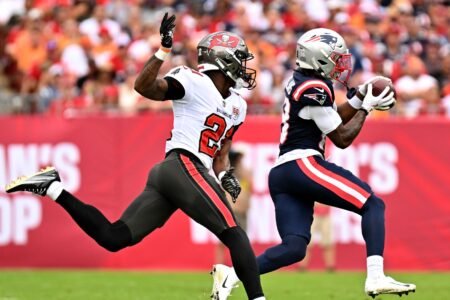
In our situation with Josh Gordon, we obviously hope that he’s able to continue his sobriety (however long that’s been), but from a football standpoint, we have to hope for two years on the cheap. If he can do that, he’s got the chance to parlay this opportunity into a multi-million dollar deal.