OK, there has been a lot of disagreement regarding the Pats trading out of the #3 spot for a haul or stay put and draft a QB. I am on the side of those who think trading down should be considered. Others have suggested that that would mean the Pats would have to trade a king’s ransom in the...
From the bold moves that paid off -- like Patrick Mahomes -- to the many that didn't, here's a rundown of each QB trade-up from the common draft era.
www.espn.com
Barnwell also states that besides QB, a team should go ahead and trade up for other premium positions (wide receivers, offensive tackles and pass-rushers), again based on the potential upside.
He then hedges his own hypothesis by stating that a team should not overpay, and be realistic about their own roster.
One last note is that Barnwell concludes that a team should not sacrifice future picks for lesser picks in the current year's draft.
He uses the example of when the Patriots traded a 2nd round pick in the current draft to Baltimore, for the following year's first.
Brian Billick and the Ravens drafted QB Kyle Boller; a year later the Pats drafted Vince Wilfork with that Ravens draft pick.
I may have missed it, but I didn't see a corresponding analysis of the benefit of trading down; to me that would have been a helpful comparison. Barnwell did compare the value of staying put versus trading up, however.
Indeed that's the way with Barnwell. A few gems buried in lots and lots and lots of words. I don't have the patience for it. I tried listening to his podcasts a few different times but in the end it's just not worth the time. Also, his speaking voice is bad, he mumbles way too much.
Fair enough, the conclusion is, "the easiest way to tilt the draft in your favor is to amass extra picks. And while trading up isn't quite as damaging as I might have guessed after analyzing the data, I'd encourage you to be at least a little skeptical the next time you see your team's draft room high-fiving after a move up the board."
The one thing I noticed about next year's draft, and this is not article related, is not a single 1st round draft pick had been traded thus far and only 3 changed hands in the 2nd round. I don't know if this is trend or if front office people think highly of next year's draft. It could also be just a coincidence.
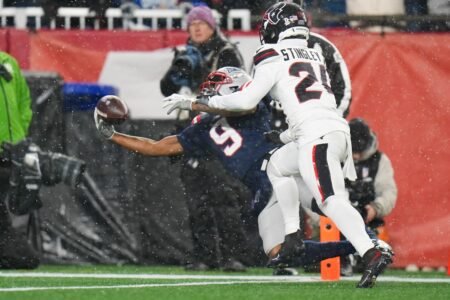
You’re (and @RxJock1120 too) taking me way too seriously. I’m having fun with the fact that Barnwell’s conclusion is that we should trade up for wide receivers, yet the only two times we did it we got athletes and not football players.
You’re (and @RxJock1120 too) taking me way too seriously. I’m having fun with the fact that Barnwell’s conclusion is that we should trade up for wide receivers, yet the only two times we did it we got athletes and not football players.