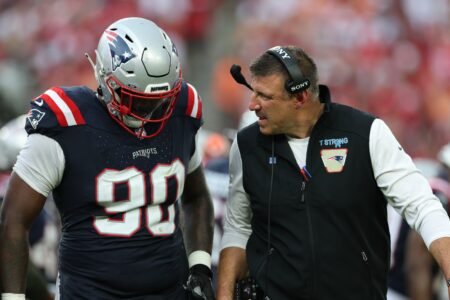
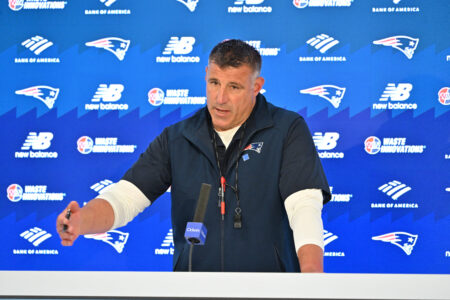
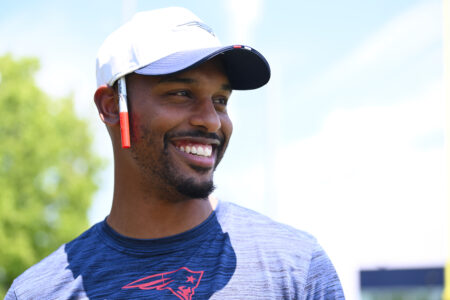
Mayo said he did the coordinating and Stephen the play calling.
@patfanken said that the coordinating was a big deal. Play calling can be done by anyone, I guess.
well, that is not EXACTLY what I said. Play calling plays its part too, but the coordinating aspect IMHO is the key element of a defensive plan.
Let me try and break down the aspects of what developing a defensive game plan entails.
First there is a MASSIVE amount of data that is available to break down, especially as the season goes on. They have formation tendencies from every game they have played in the current year as well as formation tendencies from every year the offensive coordinator has run since he has been in the league. Then add all motion tendencies. AND finally all the individual tendencies of all defensive players on the roster, like what they want to do in each situation and whatever things they might do to in certain situation. For example a player might put less pressure on his hand when he is going to stem on his pass rush.
.....and THEN there are all the down and distance tendencies. (so I lied when I said "finally" )
THEN after the data is broken down the STAFF has to decide what data is deemed important and what is not. That usually has a lot to do with the history of how the opponent's has attacked the Pats defense or other defensive schemes similar to what the Pat generally run against.
And then after all that, since every pretty much is doing the same thing on the opponent's side you try and predict what the "new" things that you are likely to see on game week, given the progressions you have seen that year and in the past. Plus to have to prepare for what you DON'T expect for half time adjustments
And THEN the coordinator has to break down ALL that information and PRIORITIZE it so you can create a practice schedule for the week and decide what you want each coach to do in every coaching increment you have each practices. Remember all practices have individual, group and team teaching increments in each practice.
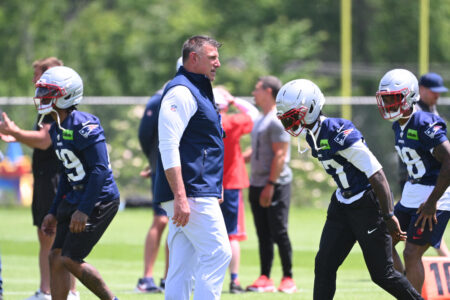
So for example the coordinator sets each individual position coach down and works out what they want for individual, group and team drills they need to prepare for this week. While at the same time someone has to prepare a "scout team" who can run what you EXPECT to see that week and do it well enough the team gets a good look at what they expect. (a very hard job btw)
All that and then they have to figure out a way to present ALL this complex information into the SIMPLEST form they can present in order make it seem simple for your players can perform. There is a VERY delicate balance coaches have to maintain. Sometimes it is critical you DON'T give your team everything that you could, because it is imperative that your players are playing fast and reacting and NOT thinking too much. You do NOT want your players over thinking every play.
Now this is the process that I would go through on the HS back in the 70's where 4 man staffs were the norm and all we had were scouting reports from the lowest assistant (and I did my time too) who was sent, and film exchanges that were the norm back then to try look at your opponent and they you.
Now the data analysis at the pro level is probably done by a team of guys crunching numbers like accountants all trying to turn that data into usable information that can be translated into coaching tips that will "put players into positions that will allow them to succeed".
paralysis by analysis is a real danger sometimes.
DISCLAIMER, I started this post around noon, and had to leave an comeback to it several time to finish around 6, so if it seems disjointed a bit, my apologies. Now I'm off to the gym where at this time of day will be half filled with people SIXTY years younger than me. I don't know where to be proud or depressed.