I'm sure all these points have already been made, but I want to consolidate them into one mega-point here. Basically, over the past day I've been trying to think up all the ways that a guy on his rookie contract can become devalued by the team that drafted him, that don't
necessarily come back to him being a ****ty player. Here's what I've come up with:
- Injury. Either he's hurt right now, or he's been hurt a bunch in the past and you don't trust him to stay on the field/his growth has been stymied, or both.
- New front office. The GM that drafted him is no longer there, so he feels no need to prove he was right to draft him. GMs are typically more aggressive at parting with the last guy's mistakes than their own.
- New coaches/scheme. New coach comes in and applies a new scheme. If all of the existing talent on the roster was drafted to play a different scheme, then chances are pretty good you'll be left with some poor system fits. With the Bears moving to a 3-4, Jared Allen and Bostic were two of the main examples of this, so it's no coincidence they were traded.
- Character concerns. Kinda self-explanatory. Maybe he needs a chance of scenery, which is why some other team can be tempted into trading for him.
- Poor coaching, dysfunctional organization. If you go and look at these types of reclamation projects, when it works it's usually a player coming from a crap situation to a good one. The reason why is often because the coaches in previous organization either poorly developed him or just didn't know how to use him. As a result, the organization may conclude that he's bad, when in reality he just needs to play for a coach who knows how to use him. Examples: Akeem Ayers is a prime example, Aqib Talib a lesser example since he was pretty good in TB too.
I'm sure there are more, but those are the 5 that jumped out to me. On the basis of any of these, you could argue that there's potential value in picking up the player in question, since these factors will drive down his price, but not necessarily his productivity on your team. If 2 or 3 apply, that's a situation that's very conducive to finding great bargains.
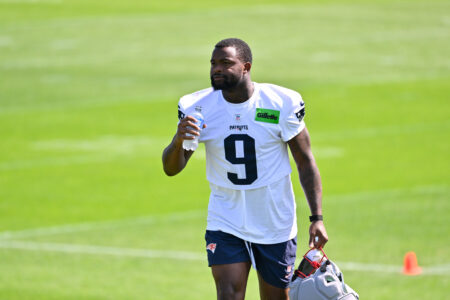
In Bostic's case, 4 of the 5 apply. He's injured, the Bears have a new GM and a new coach running a new defensive scheme that Bostic's a poor fit for, and their overall coaching and organizational competence have been in the toilet for the entirety of Bostic's time in Chicago. Character concerns are the only thing that don't apply to him from this list.
I have no idea if he'll be good, haven't watched enough of the Bears to even venture a guess. I still find it a bit puzzling that the Pats traded for a LB, but if I try hard enough I can construct reasoning that makes sense to me, and even if I couldn't Belichick's more than earned the benefit of the doubt a hundred times over. But independently of all that, as a potentially undervalued asset he checks almost all of the boxes.