

Registered Members experience this forum ad and noise-free.
CLICK HERE to Register for a free account and login for a smoother ad-free experience. It's easy, and only takes a few moments.MassLive | Posted: 06/14 👁: 32 |
| Patriots insider sheds light on why rookie linebacker remains unsigned |
MassLive | Posted: 06/14 👁: 68 |
| Karen Guregian: 5 issues to ponder on the heels of Patriots minicamp |
MassLive | Posted: 06/14 👁: 24 |
| World Cup 2026: How much do food and drinks cost at ‘Boston Stadium?’ |
NBC Sports Boston | Posted: 06/13 👁: 96 |
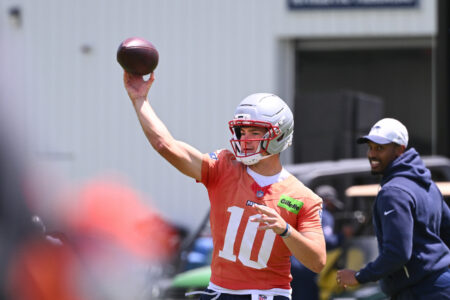
| Pats minicamp takeaways: Drake Maye looks set to take a Year 3 leap |
MassLive | Posted: 06/12 👁: 28 |
| NFL will not discipline Stefon Diggs, citing ‘insufficient evidence’ |


| TODAY'S TOP POSTERS: | # | |
| No Posters To Display yet. | ||


From our archive - this week all-time:
May 31 - June 15 (Through 26yrs)